






Travel Tips for Bella Italia
What’s My Plan?
Ciao a tutti! - If you are about to travel to Italy, it will be helpful to learn a few tips before you get on that bus tour, drive or fly to your destination. I have been traveling to Italy for decades and lived there for a year. I am not a travel agent. All of my tips are from years of traveling to Bella Italia, based on my experiences. I hope these might be helpful for you. What will you need to travel to Italy? First, you need a plan.
Your first item of business is to do some brainstorming and planning. Write down the answers to some of these questions and your trip will begin to take shape before you book your trip.
What do you want to see/experience? (big tourist sites, art, architecture, churches, museums, ruins, small guided tours with experts, sites with fewer people, food, natural wonders, pristine beaches with sand, easy hikes, bike trails, big cities and their highlights, small villages, artisans in their workshops, vineyards and wineries, cafes, excellent trattorias, cooking classes, language classes, rooms with a view, opera or other Italian music, live performances, UNESCO sites, calm days, each day packed with experiences, etc.
What do you want to avoid? (e.g., large cities, specific cities or places, crowds, museums, expensive lodging, long bus tours, difficult hikes, lots of daily walking, early morning departures for guided tours, full day guided tours, moving from one accommodation to another every day, lugging suitcases, etc.
How much time can you be away?
How do you prefer to travel - (get from one place to another?) ( trains, private driver, local buses, walking, rental cars, combination of X and X.)
What is your budget? (daily spend? entire trip?)
Do you have a passport that expires at least 6 months beyond your return date? Check your passport expiration date. If it expires 6 months or less than your RETURN DATE, update your passport. The rule for a valid passport:
Must be valid at least 3 months beyond your departure date
Recommended: 6 months validity (many airlines enforce this)
You can stay:
Up to 90 days within a 180-day period (tourism/business)
No visa needed for this type of travel (at the time of this writing in April of 2025
How do you like to travel? (a new city each day or two, slow and easy, unpack once, train travel preferred, rental car preferred, walking as the primary mode of transport through cities and villages, guided bus tours etc.)
Gather up your notes. Now it is time to outline the basics of your trip.
a short list of what you’d like to see/do/experience
a short list of what you want to avoid on your adventure
How long will you be in Italy
What’s your budget for your trip ( include airfare, lodging, rental cars, 3 full meals each day, gelato every day, museum/event tickets, tuition for any classes, tips for guides and /or drivers, transportation while in Italy, etc.)

Before you Leave
Buy travel insurance when you buy your tickets.
If you think you might drive in Italy, get your International Driver’s License at your local AAA Office.
Book guides at least 4 months in advance.
Book tours at least 3 months in advance.
Buy all museum tickets, site tickets, all art museum tickets at least 3 months in advance.
Buy all train tickets in advance. Do not buy intercity or regional train tickets in advance.
Remove old airline tags from your carry-on and your checked luggage.
Take photos of your checked bags just in case they are misplaced by the airlines.
Place your name and contact info on the inside of your bags.
Pack snacks for the flight and just in case, a delay.
Charge and pack all of your electronics and external battery for your carry-on.
Pack all prescription medicines and written notes for prescriptions from your doctor in your carry-on.
The day before your flight, check in online.
Download movies and books to your device.
Download travel apps (Travel Guru, Your airline flight alerts, Gate Guru, WhatsApp.)
Make sure you have all of your family contacts loaded on your smartphone and on WhatsApp.
Load all of your flight information into your apps.
Print all of your museum tickets, train tickets, airline tickets, itinerary, confirmations and lodging details for your carry-on.
Pack your power adaptor in your carry-on.
Make two copies of the front and back of your credit cards and ID. Type in the customer service number for each card in your contacts on your smartphone. Pack one set in your suitcase. Give the other set to a trusted family member who will not be on the trip with you, just in case.
Check the wheels and zippers on your luggage to make sure they are in good condition.
While in Italy
Hello everyone! Our first travel tip is simple - DO NOT TRAVEL DURING THE SUMMER MONTHS or be prepared for a less-than-optimal experience if you opt for the summer months. We highly recommend you travel when the crowds are at a minimum, the heat doesn’t paralyze you with exhaustion, long lines are inevitable for meals and most activities, and the cost is much higher for everything! AVOID mid-May through the end of September. My favorite times to travel in Italy are in March, October and December.
Tip # 1: We begin with something practical: PACK LIGHT and HIRE LOCAL, LICENSED GUIDES. One small-to-medium bag on four sturdy wheels is usually enough space. The less you have to tote, the better.
We offer a list of what to pack in all of our Antonia’s Italy series.
Hire local guides. Support these local treasures. You will have much richer and more memorable experiences with the locals. Check the Guide tab for our list of outstanding guides we have repeatedly hired. As of 2026, guides charge about 400 Euro for 3 hours.
Tip #2: BUY/RESERVE MUSEUM Tickets in advance, preferably before you leave for Italy. You will skip the lines and enjoy more space and fewer visitors in the now more controlled museums.
Tip #3: MAKE TIME FOR AT LEAST ONE FULL DAY & NIGHT IN A SMALL TOWN or VILLAGE. This is an example of a charming town in Tuscany, one hour outside of Florence, Montefollonico. Meet Louree and Niccolo at Borgo di Sotto https://www.borgodisotto.com/
Tip #4: LOOK FOR SPECIAL OFFERS. https://www.italymagazine.com/.../italys-lazio-region...
Tip #5: LEARN THE BASICS. It is a sign of respect to learn the basic greetings in the language of the culture you are visiting. (Good morning. Good evening. Please. Thank you. Pleased to meet you. Excuse me.)
Italians speak Italian. Yes, English is spoken but typically in touristy areas and rarely elsewhere. Your attempt to use Italian words like "prego," (pronounced - pray go....and translates to "please" and “you are welcome,” shows that you care about the culture you are visiting. Bonding through language will enrich your experience. Don't worry about getting the pronunciation exact. But DO TRY! You can learn the basics on YouTube from fabulous native speakers like Francesco at Vaparetto, or have a virtual private or semi-private lesson for a small sum with a native speaker like Cinzia Ferri. Email: cinzia@instantlyitaly.com
Tip #6: BUY "VINO DELLA CASA" - i.e., “house wine” when dining at local trattorias. It is ALWAYS delicious and great for your budgets.
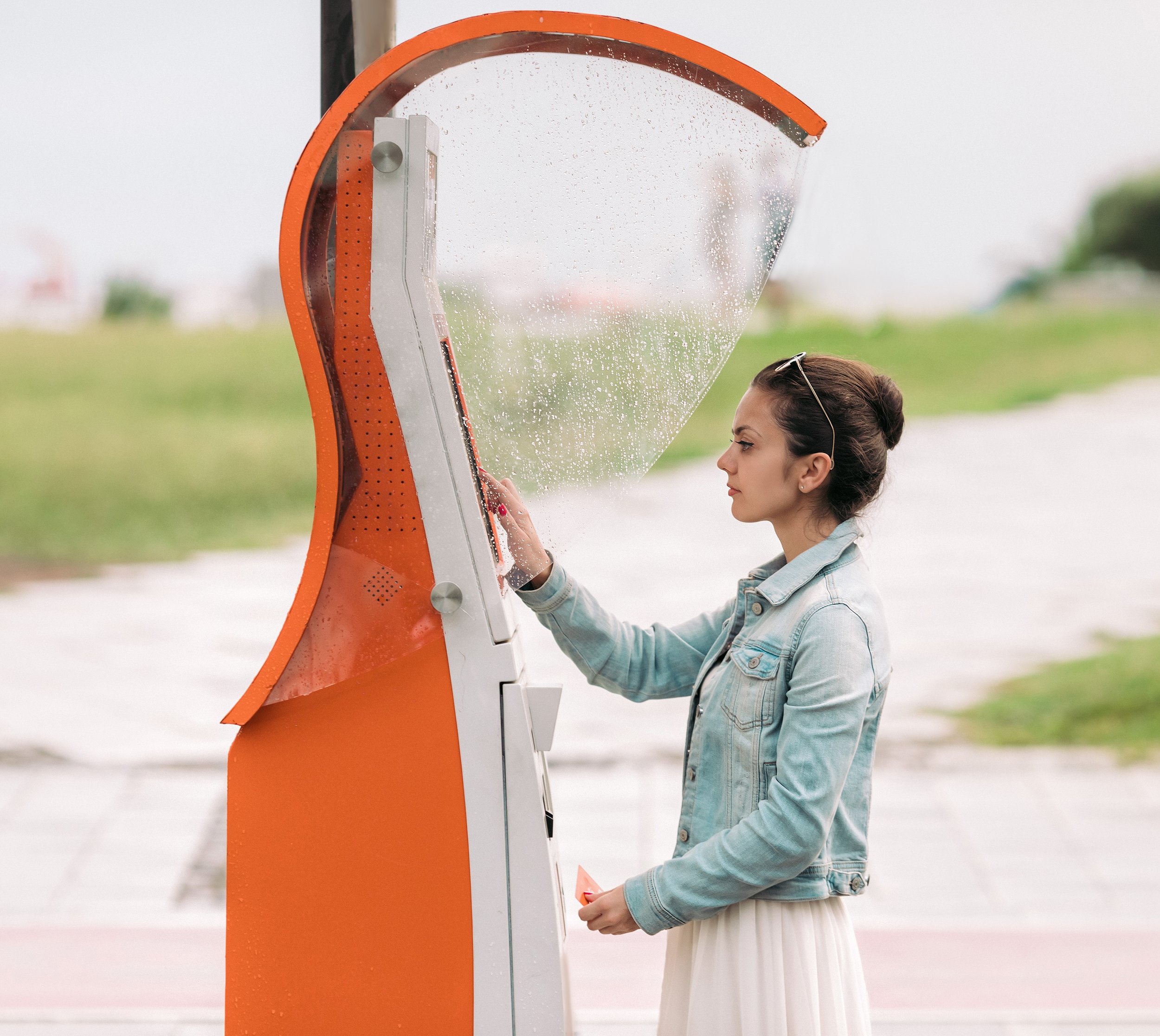
Tip #7: BRING YOUR VISA CARD or DEBIT CARD to get EURO - Use only cards that do NOT charge a transaction fee or a conversion fee. ATMs are the most convenient way to get euros into your pocket while in Italy. Leave your debit cards connected to your checking accounts at home.
Do NOT get cash advances inside a bank.
Do NOT exchange money at a money exchange booth or business. The rates are a rip-off.
Do NOT bring traveler's cheques.
Keep just enough cash with you for your day's expenses and leave the rest in your room in a safe place. Separate your cash from your cards while in your wallets. Most hotel rooms have safes. If not, ask at the front desk to use the hotel's safe.
Italy's machines only accept 4-digit PINs.
Be sure to call your credit card company in advance or go online and provide them with the dates you will be out of the country so that holds are not placed on your card(s).
Leave a photocopy of the front and back of your credit cards at home with a loved one, just in case.
Tip #8: BRING A WATER BOTTLE - a non-disposable one, of course. Check out the water bottles that collapse and are therefore easy to carry. Summers in Italy are HOT. Stay hydrated. Water from public spickets with running, cool, fresh, clean, drinkable, refreshing water are common in Italian cities and villages. It's clean! It's safe. Avoid drinking from places where a sign is posted that reads "non potabile..." = undrinkable.
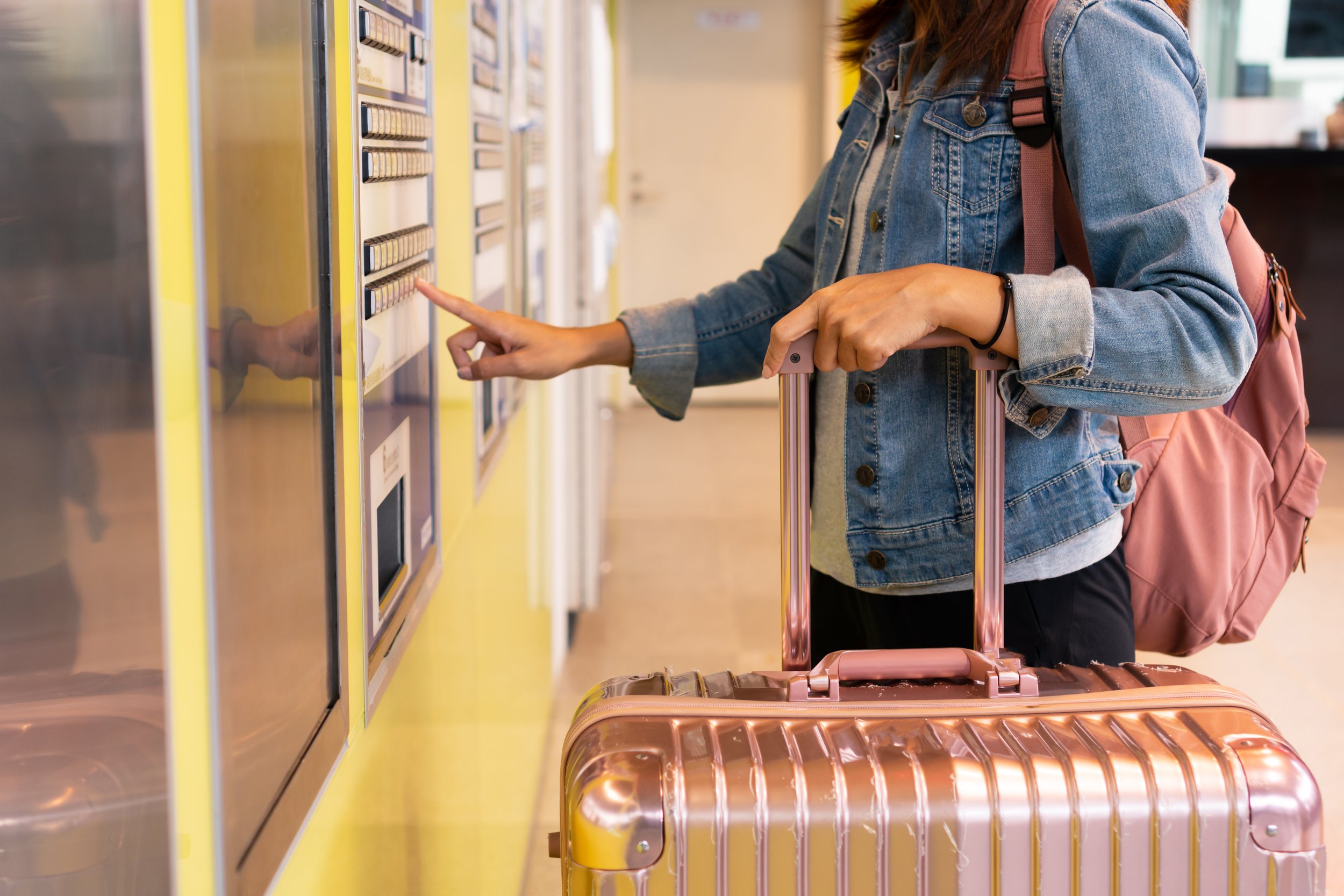
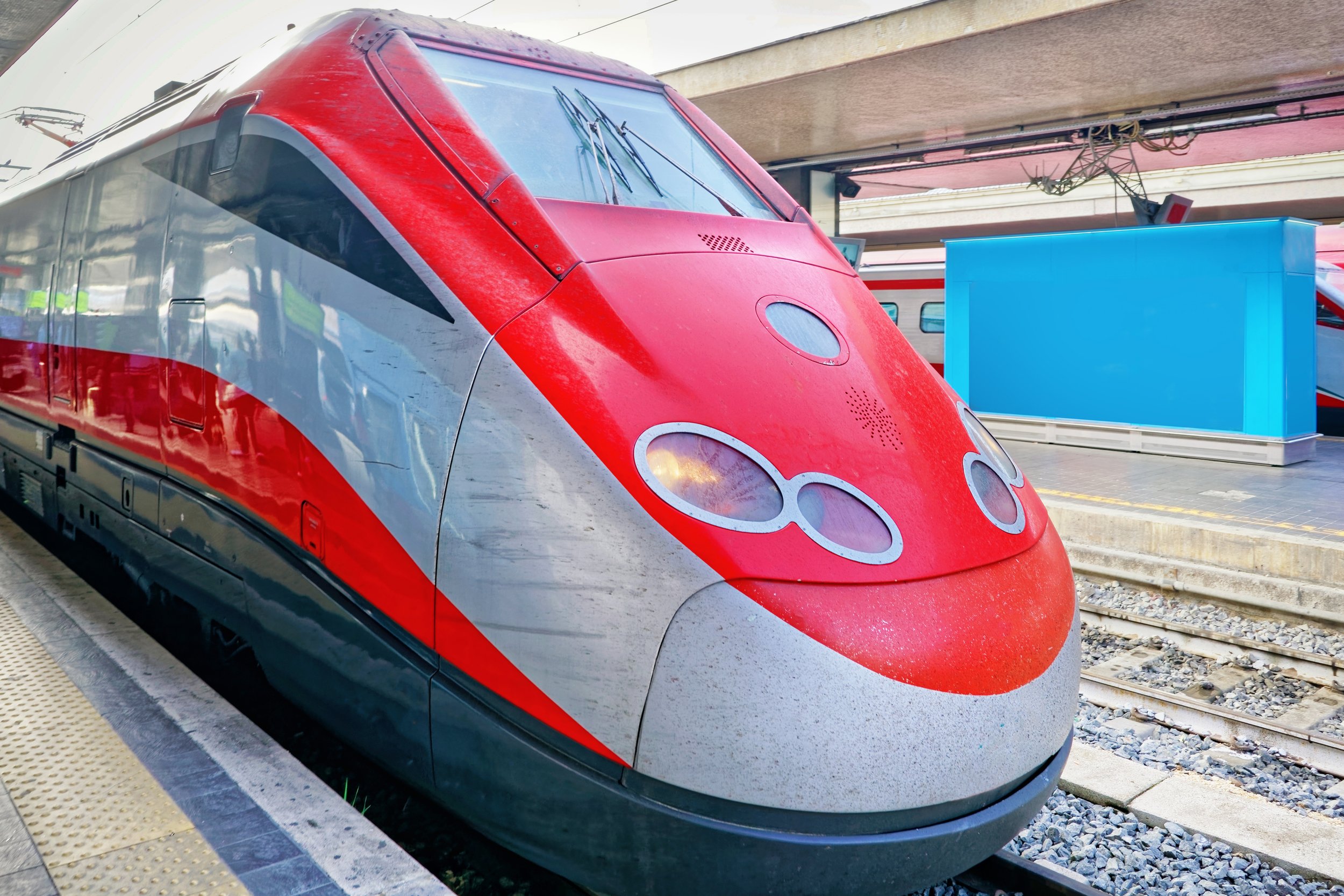
Tip #9: SKIP THE LINES AND EITHER BUY YOUR TRAIN TICKETS FROM A KIOSK IN THE STATION OR AT A TRAVEL AGENCY. In the main train terminals in Roma, Torino, Napoli, Milano, Bologna and Firenze, the kiosks are in multiple languages, easy to operate and often less expensive than booking online or waiting in line at the station. Rarely do tickets sell out for a train ride, even during crowded summers. But, if you want to travel in assigned seats in 1st or 2nd class or book on a special train, like the Frecciarossa (the "Red Arrow" a fast and luxurious bullet train), buy your tickets in advance - a day or two prior to your train trip. Book the Frecciarossa when you need to travel in a hurry. This is Italy’s version of a bullet train - modern, bright red, very comfortable. It is worth the extra cost and a huge time savings when TIME is so precious on your holidays. Be sure to validate your ticket at a validation machine. Look for them as they are in different locations in each train station. If you can’t find one, ask someone for help BEFORE you board. You may be fined by the conductor if you do not validate your ticket(s).
Tip #10: LEARN THE ITALIAN NAMES OF THE CITIES YOU PLAN TO VISIT. Signage is in Italian of course, not English.
Florence is FIRENZE;
Rome is ROMA;
Milan is MILANO;
Turin is TORINO;
Venice is VENEZIA;
Naples is NAPOLI;
Sardenia is SARDEGNA.
This is important to know so that you book your trip to the right city and avoid any confusion or angst. Look up the names of all of your points of interest. And if you are leaving Italy for another city in another European country, look it/them up. You’ll need to know the Italian name to ensure you are buying a ticket to your destination and can find the correct name on the signage identifying the destinations of trains, gates in airports, etc. For example, Paris is Parigi, London is Londra, Munich is Monaco, Frankfurt is Francoforte. Do your homework.
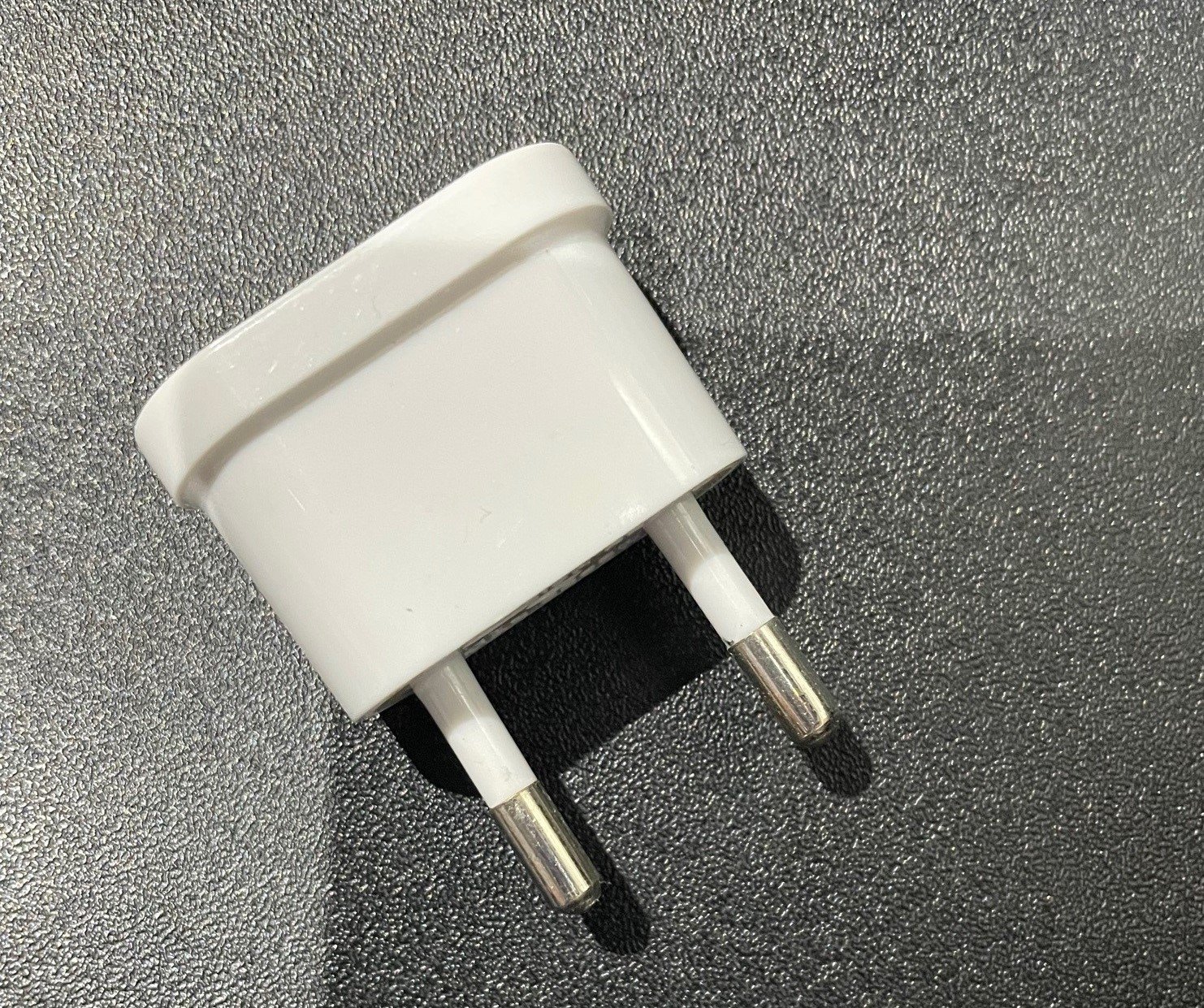
Tip #11: BRING TWO-PRONGED PLUG-INS. Italy works on a round, two-prong plug-in. Two-pronged plugs without the converter are $2.00 US.
Tip #12: BRING A WASHCLOTH. Yes, a washcloth. Most Americans find it odd, but true, that most Italian hotels do not provide washcloths with towel sets. So, if you are accustomed to using a washcloth, pop one in your suitcase.
Tip #13: DO NOT PACK A HAIR DRYER. Nearly every hotel, B&B’s and apartments, will provide one.
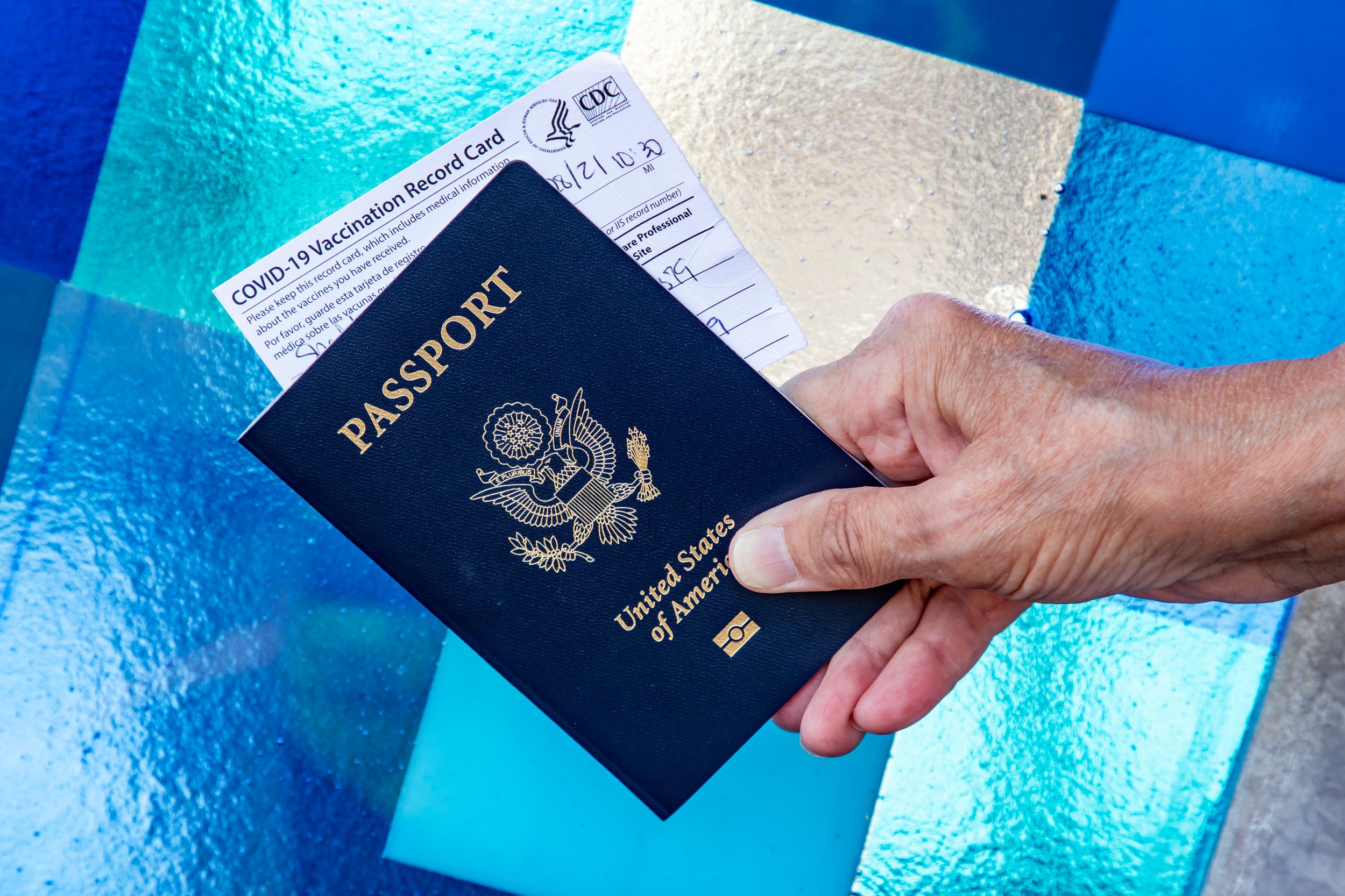
Tip #14: MAKE A COPY OF YOUR VACCINATION CARD. Just in case….keep it with you at all times. Save it as a “note” on your phone or in another area on your phone that does not require wifi to access. You may need proof of vaccination to enter trains, buses, museums, libraries, restaurants, and many more places. Of course, the rules might change by the time you are in Italy.
Tip #15: BE PREPARED WITH THE UP-TO-MINUTE COVID GUIDELINES. It just may rear its ugly head. Consult the US Embassy and Italy's government site to get organized long before you leave.
1). www.salute.gov.it- Go to the Travellers page.
Tip #16: FIND A TOILET IN BARS. When in need of a toilet, go into a Bar, buy something to eat or drink, and ask to use the toilet. Bars are common in Italy where they serve fresh-squeezed juice, coffee, wine, bottled drinks for beverages and many other items like candy, chewing gum, breakfast brioche, “panini” - sandwiches, tickets for the “autobus” - bus and “vaparetti” - water taxis.
Use one of these phrases to ask for toilet. (“Mi scusi. Dov'e la toilette per favore?” or “Dov’e il gabinetto?”)
Tip #17: USE APPS FOR NO COST TEXTS AND TELEPHONE CALLS ANYWHERE IN THE WORLD. Download an app like WhatsApp to use to call or to text fellow travelers and friends on your trip at NO COST. Most likely all parties need whatever app you use. The other alternative is to buy a SIM card for your smart phone and buy a one-week to one-month (or more) telephone plan. Check with your service provider to check if they offer an international plan that might meet your needs. Or .... simply disconnect and ENJOY the sights, sounds, and tastes of your adventures.
Tip #17b…Wifi: The truth is, US plans and eSIMS don’t always work well. So, if you need access to wifi for your trip, check out the Mifi on Amazon: Mifi Tp-link M7000 4g LTE 150 Mbps
Tip #18: LEAVE YOUR FINE JEWELRY AT HOME
Tip #19: Plan your day around a “pisolino” - (a nap). Most of Italy shuts down from 12 to 3 to eat lunch and to nap before resuming work at 3 and closing at 7 or 8 pm. The exceptions are museums, churches and large stores in tourist towns which often remain open.
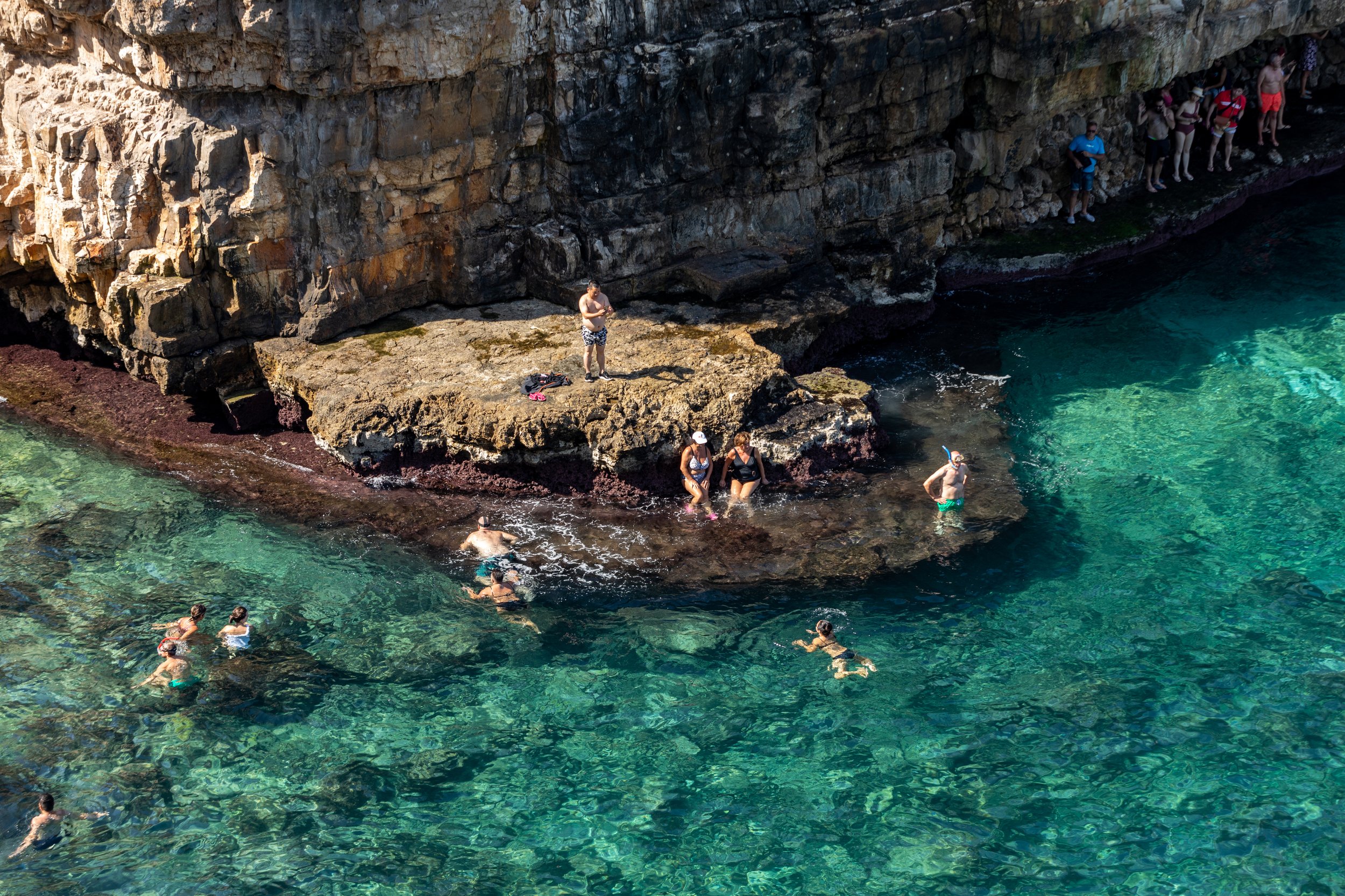
Tip #20: Bring a swimsuit! You WILL want to dip your toes in the water during the HOT summer days. REALLY! Splurge and Dive in! One life. One Chance.
Tip #21: Do NOT ask for butter for your bread in restaurants or trattorias. Use olive oil and salt.
Tip #22: Bring shoes that you have “broken in.”
Tip# 23: Line your suitcase with bubble wrap, which you can use for your breakable gifts. Clothes are also great for protecting and wrapping your fragile items.
Tip # 24: Dine Italian style. Dinner is typically served all over Italy starting at 8. Larger cities are accustomed to opening for Americans as early as 6:30 or 7:00.
Tip #25: PURSE MANAGEMENT - Do not place your purses on the sides or back of chairs in restaurants, even for a moment.
Tip #26: TAXIS - Take a taxi ONLY from a designated taxi stand. Stand in the long line and wait your turn at the airports and train stations in the areas clearly marked for taxis. The lines move quickly. It’s probably one of the only lines in Italy that do move quickly. Do not be cajoled to hop in a taxi by someone offering you a taxi. There are fixed fees from most major airports in Italy to the city center. For example, in Florence, it is around 22 euros plus one euro for each suitcase. In Rome, it is 38 euros plus one euro for each suitcase. Note: All official taxis in Rome are white.
Tip #27: Bring a microfiber, quick-drying towel. Great for all types of uses when traveling.
Tip #28: When approached by adults or children asking for money, LEAVE. If you engage, you will be allowing yourself to be scammed or robbed.
Tip #29: If you don’t want to feel bloated on the plane….Don’t drink sodas.
Tip #30: Check on your insurance coverage applicable for rental cars, if/when you rent a car. NOTE: Typically, insurance coverage lasts for just 30 days.
Tip #31: IF you lose your passport…BEFORE you leave on your trip, take a photo of the barcode on the last page of your passport. It will be much easier to replace it if you have this photo.
Tip #32: If you get sick…go to a pharmacy first (Farmacia). They are easy to spot with a big green cross over the door. The staff is very well-trained to handle many types of emergencies and illnesses. They are great detectives and problem solvers when it comes to finding out what is really wrong. Be prepared to wait for hours in a hospital. If you are staying in a hotel, the front desk will normally be willing and able to call a doctor for you.
In case of emergency:
Police 113
Ambulance 118
General 112
Fire 115